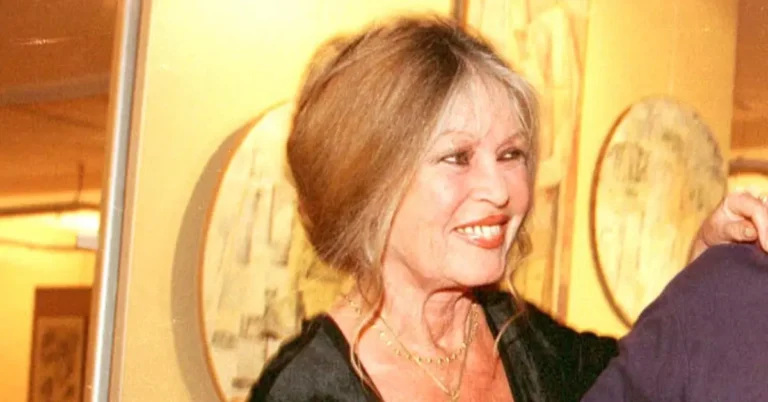
Dorothy Bowles Ford: The Quiet Force Behind a Political Legacy
When we think about impactful people in history, we often focus on the people in the spotlight — the politicians, the CEOs, the public figures whose names fill headlines. But behind many of those names are individuals whose influence runs just as deep, even if they’ve lived much of their life out of the public eye. Dorothy Bowles Ford is exactly that kind of person.
She’s not a household name on her own, yet her presence and influence helped shape a political family that made history in Tennessee and beyond. Known primarily as the former wife of Congressman Harold Ford Sr. and the mother of Harold Ford Jr., Dorothy’s story goes far beyond those titles. It’s a story of strength, community service, family dedication, and quiet but powerful influence.
Quick Bio Dorothy Bowles Ford
| Full Name | Dorothy Bowles Ford |
| Date of Birth | Born in October 1949 (approx. age 76 as of 2026) |
| Birthplace | Memphis, Tennessee, USA |
| Nationality | American |
| Ethnicity | African‑American |
| Religion | Christianity (reported) |
| Profession(s) | Community volunteer, administrative professional, advocate for social causes |
| Employer (career) | Potomac Electric Power Co. — Coordinator of consumer and regulatory functions (past) |
| Marital Status | Divorced from Harold Ford Sr. |
| Spouse | Harold Eugene Ford Sr. (married 1969–1999) |
| Children | Harold Ford Jr., Newton “Jake” Ford, Sir Isaac Ford |
| Residence | Memphis, Tennessee (reported) |
| Net Worth (estimated) | $500,000 – $1 million (approx.) |
A Memphis Beginning
Dorothy Bowles Ford was born in Memphis, Tennessee, in October 1949, growing up in a city that was both culturally vibrant and socially complex, especially during the era of the Civil Rights Movement. This context — a Southern city with a deep history of struggle and renewal — helped shape her early worldview.
Her family life was kept mostly private, and unlike many public figures, she has maintained a great deal of personal privacy over the years. Still, there’s a consistent picture of a woman raised with strong values — values rooted in hard work, community, faith, and resilience.
Memphis in the 1950s and ’60s was a place of transformation, and Dorothy came of age in a community where discussions about civil rights, equality, and justice were part of everyday life. It’s no surprise that this environment influenced her later commitments to community and advocacy.
Early Career and Professional Life
Before stepping into the often intense world of public life as part of the Ford family, Dorothy built her own professional identity. She worked for Potomac Electric Power Company (PEPCO) in Washington, D.C., where her responsibilities included coordinating consumer and regulatory functions — essentially serving as a bridge between the company and the people it served.
This role may not sound glamorous, but it was significant. It required communication skills, empathy, administrative discipline, and an ability to organize complex information — traits that would serve her well in family life and later in community work.
Though details about her education are largely private, it’s clear that she possessed the competence and professionalism needed to succeed in a corporate setting while also supporting a busy and demanding political family life.
Marriage to Harold Ford Sr.
In 1969, Dorothy married Harold Eugene Ford Sr., a rising political figure from Tennessee. Harold Sr. would go on to become one of the most influential African‑American politicians of his time — serving in the U.S. House of Representatives from Tennessee’s 9th district for 22 years.
Their marriage wasn’t just a personal partnership — it was a professional and emotional alliance at a time when public scrutiny and political tension were constants. Dorothy supported her husband not only at home but behind the scenes in his political endeavors. She was a partner in his campaigns, helped manage schedules, and offered counsel when needed.
While she wasn’t a politician herself, her role was far from passive. She was involved in constituent outreach and was often seen as the emotional and organizational backbone of the family, especially during campaign seasons and public engagements.
Raising children while navigating the pressures of political life is tough for any family — even more so for a family breaking racial barriers in American politics. But Dorothy stood firm, helping manage the household with grace and stability.
Motherhood and Family Influence
Dorothy and Harold Ford Sr. had three sons:
- Harold Ford Jr. — who went on to become a U.S. Representative from Tennessee and a prominent national political figure.
- Newton “Jake” Ford — who maintained a more private life.
- Sir Isaac Ford — the youngest of the three.
Of her children, Harold Ford Jr. became a national figure, known for his work in Congress and later in media and finance. Many observers credit Dorothy with instilling in him the values that marked his public life: dignity, fairness, respect for others, humility, and a deep sense of civic responsibility.
In interviews and family recollections, Harold Jr. has often highlighted his mother’s influence — calling her the grounding force that kept the family stable through political highs and lows. Her emphasis on education and moral values helped him navigate the rigors of public life with poise and compassion.
Dorothy wasn’t just a caretaker — she was a mentor and an emotional anchor. During times when her husband was on the campaign trail or busy in Washington, she was at home making sure her sons felt supported and encouraged. That kind of steady presence speaks to her strength of character.
Community Service and Advocacy
Though Dorothy never ran for office or sought the limelight, she has been deeply involved in community service throughout her life. Sources describe her as someone who always found ways to give back — whether through volunteering at local food banks, supporting educational initiatives, or helping raise funds for underserved communities.
Her work wasn’t flashy or headline‑grabbing, but it was meaningful. In Memphis and in other places she’s lived, Dorothy has been recognized for her contributions to community development, particularly in areas that support youth, families, and those in need. She understands that leadership isn’t always about being seen — it’s about lifting others up when they need it most.
Community members remember her as someone who didn’t just talk about service — she lived it. She participated in programs that helped people access education, healthcare support, and resources for personal growth. These actions reflect a lifelong commitment to social uplift and positive change.
Life After Divorce
Dorothy and Harold Ford Sr. divorced in 1999 after about 30 years of marriage. That chapter of her life closed privately and respectfully, with both continuing to support their children’s lives and careers.
After the divorce, Dorothy chose to maintain a private life, focused on family and community engagement rather than public attention. She didn’t remarry, and while she has stepped back from formal roles in campaigns or politics, her influence remains evident in her children’s lives and in the community networks she helped nurture.
Her continued presence at family events, community gatherings, and civic functions shows a woman who remains gracious, grounded, and committed to her values.
Legacy and Impact
So what is Dorothy Bowles Ford’s legacy?
It’s not tied to headlines or bold public speeches. It’s the legacy of someone whose influence was felt in quieter, but enduring, ways:
- The values she instilled in her children — especially her eldest — helped shape a significant political career rooted in service and dignity.
- Her supportive role in a political family helped provide stability during decades of public life.
- Her commitment to community service gave back to neighborhoods and families outside the spotlight.
- Through it all, she remained a private and humble figure, showing that you don’t have to seek fame to make a real difference.
Dorothy’s life may not be documented in encyclopedias, but it’s woven into the fabric of American civic life through her family and her community service. She represents a type of leadership that is often overlooked — leadership by example, by service, by steadfast love and quiet resilience.
Final Thoughts
Dorothy Bowles Ford’s story reminds us that influence and impact come in many forms. Not everyone makes their mark through speeches from podiums or headlines in newspapers. Some do it through daily actions, caring for family, helping others, and shaping the lives of the next generation.
She may be known to the world primarily as a spouse and parent of public figures, but anyone who looks deeper sees a woman whose life reflects courage, compassion, and commitment — a quiet force behind an influential political family.
Here’s a set of FAQs based on the article about Dorothy Bowles Ford:
1. Who is Dorothy Bowles Ford?
Dorothy Bowles Ford is an American entrepreneur, philanthropist, and advocate for social change, known for her work in community development and women’s empowerment. She is also the former wife of Congressman Harold Ford Sr. and the mother of Harold Ford Jr.
2. How old is Dorothy Bowles Ford?
As of 2026, Dorothy Bowles Ford is approximately 76–77 years old.
3. What is Dorothy Bowles Ford’s profession?
She has worked professionally in administrative and coordination roles, including at Potomac Electric Power Company, and has been active in community service and advocacy.
4. Who are Dorothy Bowles Ford’s children?
She has three sons: Harold Ford Jr., Newton “Jake” Ford, and Sir Isaac Ford.
5. Is Dorothy Bowles Ford still married?
No, she divorced Harold Ford Sr. in 1999.
6. What is Dorothy Bowles Ford’s net worth?
Her estimated net worth is between $500,000 and $1 million.
7. Where was Dorothy Bowles Ford born?
She was born in Memphis, Tennessee, USA.
8. What is she known for besides her family?
She is known for her community work, philanthropy, and advocacy for social change, particularly in empowering women and supporting underserved communities.