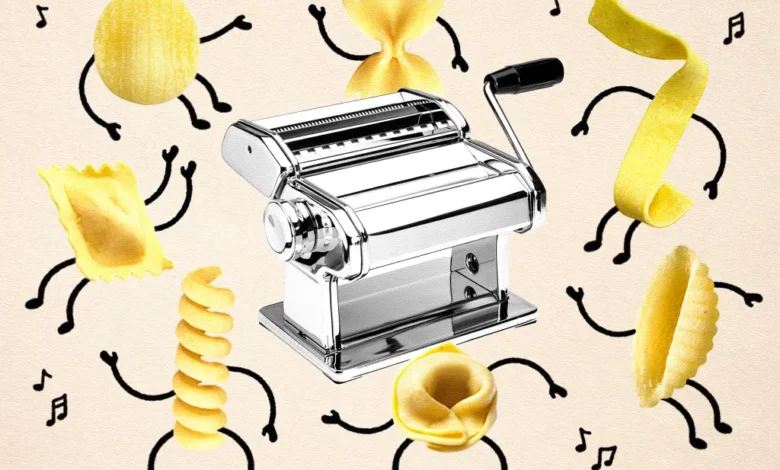
Tortellinatrice: Mastering the Craft of Homemade Tortellini
Introduction
Tortellini—those charming, stuffed pasta pockets—are a staple in Italian cuisine and have captured the hearts of food lovers worldwide. But making tortellini isn’t just a cooking task; it’s an art form known as Tortellinatrice. This ancient practice is more than just assembling dough and filling; it’s about capturing tradition, creativity, and the joy of cooking with family and friends. For those ready to dive into the world of handmade pasta, learning Tortellinatrice can be a rewarding and immersive experience.
In this article, we’ll explore the ingredients, steps, techniques, and variations involved in crafting perfect tortellini, as well as why the process is so meaningful for anyone passionate about food.
Key Ingredients for Making Homemade Tortellini
Creating authentic homemade tortellini begins with the right ingredients. A few simple, high-quality ingredients can make all the difference in the final product.
Flour and Eggs
The foundation of tortellini dough requires 00 flour, a finely milled flour often used for Italian pasta. It provides a smooth, tender texture that makes the dough easy to work with. Fresh, large eggs are also crucial for the dough’s richness and elasticity.
The Filling
Traditional tortellini fillings include a mix of ricotta cheese and Parmesan, or a meat-based filling, such as ground pork, beef, or prosciutto. Fresh herbs like basil, parsley, or oregano can elevate the flavor. A pinch of salt and spices like nutmeg are essential for a well-balanced filling. The filling should be moist but not overly wet, ensuring that it stays within the pasta without leaking.
How to Make Tortellini from Scratch
Crafting tortellini from scratch is an enjoyable process, and although it takes time, the results are incredibly satisfying. Here’s a step-by-step guide to help you get started.
Step 1: Prepare the Pasta Dough
To make the dough, combine 00 flour and eggs in a bowl. Knead the mixture by hand until smooth and elastic. Once the dough is ready, wrap it tightly in plastic wrap and allow it to rest for 30 minutes. This resting time helps relax the dough, making it easier to roll out.
Step 2: Make the Filling
While the dough is resting, prepare the filling. For a classic version, mix ricotta cheese with Parmesan and fresh herbs. If you prefer a meat filling, sauté ground pork or beef with garlic and onions for a flavorful base. Let the filling cool before using it to stuff the tortellini.
Step 3: Roll Out the Dough
Once the dough has rested, roll it out on a floured surface. Use a pasta machine or rolling pin to create thin sheets of dough. Aim for a thickness where light passes through but it still holds structure.
Step 4: Shape the Tortellini
Cut the dough into small squares, about 2 inches wide. Place a small teaspoon of filling in the center of each square. Fold the square into a triangle, pressing out any air pockets. Next, bring the two opposite corners of the triangle together and pinch them firmly to form the signature tortellini shape. Repeat the process until all your tortellini are shaped.
Step 5: Boil and Serve
Bring a pot of lightly salted water to a boil. Add the tortellini and cook for just 2-3 minutes, or until they float to the surface. Once they’re cooked, serve with your favorite sauce—whether it’s a rich bolognese, butter and sage, or a light tomato sauce.
Expert Tips for Perfect Tortellini
Making tortellini takes patience and practice. Here are some expert tips to help you perfect your technique:
Use Fresh, High-Quality Ingredients
The quality of your flour, eggs, and filling ingredients directly impacts the flavor and texture of the tortellini. Don’t skimp on these essentials!
Roll Dough Evenly
When rolling the dough, aim for a uniform thickness. If the dough is too thick, the tortellini will be chewy; if it’s too thin, the filling may leak.
Moisture Control for the Filling
If you’re using ingredients like ricotta or spinach, ensure they are well-drained before adding to the filling. Excess moisture can make the tortellini soggy and cause them to burst while cooking.
Seal Your Tortellini Firmly
To prevent your tortellini from opening during cooking, make sure to seal them tightly. Press out any air as you fold and shape the dough.
Practice Makes Perfect
The more you practice, the better you’ll become at creating perfect tortellini. Take your time and enjoy the process!
Exploring Tortellini Variations and Filling Ideas
While the traditional tortellini fillings are classic, there are endless ways to get creative with the flavors. Here are some exciting variations:
Meat Fillings
- Pork and Prosciutto: A rich and savory filling, often paired with Parmesan.
- Beef and Veal: A hearty, flavorful option for those who love meat-based pasta.
Vegetarian Fillings
- Spinach and Ricotta: A lighter, delicious filling with a balance of creamy and fresh flavors.
- Mushrooms and Herbs: A rich, earthy filling that pairs wonderfully with cream-based sauces.
Seafood Fillings
- Shrimp and Crab: For an indulgent twist, try a filling made of shrimp or crab meat mixed with cream cheese or ricotta.
Seasonal Ingredients
- Pumpkin: In the fall, pumpkin puree combined with Parmesan makes a warming filling.
- Peas and Mint: For a fresh, springtime version, use sweet peas and a hint of mint.
The Art of Presenting Homemade Tortellini
Presentation is an essential aspect of cooking. The way you plate your tortellini can elevate the entire dining experience. Here are some tips to make your tortellini stand out:
Color and Texture
A vibrant sauce can enhance the visual appeal of your tortellini. Consider pairing the pasta with fresh greens, like spinach or basil, or adding a sprinkle of Parmesan for a finishing touch.
Plating Techniques
Arrange the tortellini neatly on the plate, either in a circular pattern or as a single layer. For added texture, you can garnish with breadcrumbs or nuts for crunch.
Sauce Pairings
Tortellini pairs beautifully with a variety of sauces. A rich cream sauce, a light butter and sage sauce, or a savory meat ragu are all classic options that complement the delicate pasta.
Why Learning Tortellinatrice is Worth It
The art of Tortellinatrice offers far more than the ability to make a delicious dish. It connects you to centuries of Italian culinary tradition, where food is about passion, family, and creativity. By learning to make tortellini from scratch, you’re not just cooking—you’re creating a piece of art that can be shared with loved ones.
As you continue practicing, you’ll discover the joy of making something from scratch and the satisfaction of sharing your homemade creations with others. Each tortellini you make carries your personal touch, and over time, you’ll perfect your craft, exploring endless variations and improving your skills.
Conclusion
Learning the craft of Tortellinatrice is an enriching experience for anyone who loves food, tradition, and creativity. With a few basic ingredients, some patience, and the right techniques, you can create delicious, homemade tortellini that will impress friends and family. Whether you’re following a traditional recipe or experimenting with your own fillings, tortellini-making is an art form worth mastering.